Cross-Topic Integration (14 of 26)
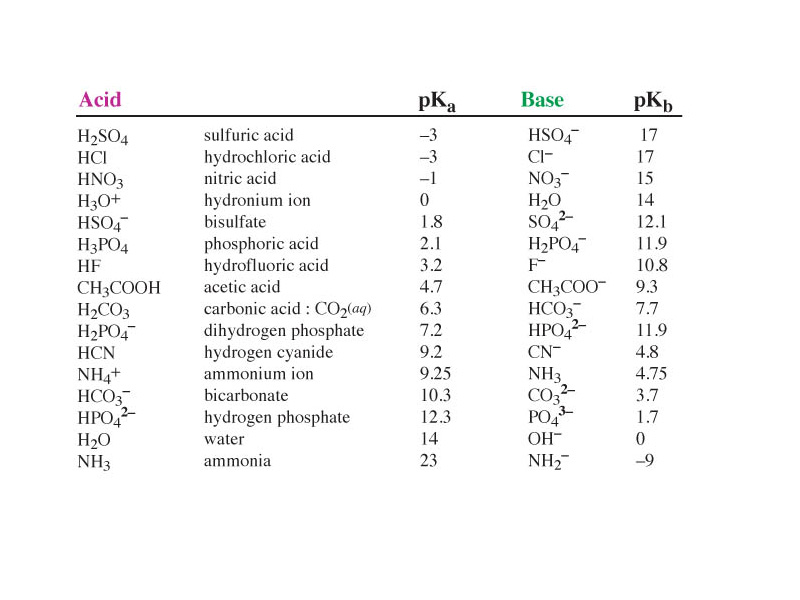
The difference between and strong and weak acid is a difference in the thermodynamics of protolysis. For example, trifluoroacetic acid is stronger than acetic acid, which, in turn, is stronger than ethanol. This series of weakening acidity tracks the decreasing capability of the conjugate base to stabilize the anion.
Likewise, though both are strong acids, hydrobromic acid is actually stronger than hydrochloric acid. As with the example before, the difference comes down to the question of how the anion is able to minimize potential energy. The larger atomic radius of bromide provides more 'room to spread out' for the negative charge, and so it can exist at lower energy.'These particular examples illustrate the rolls played by induction, resonance, and atomic radius in determining the internal energy change of a process and by extension (through enthalpy and free energy change) the position of equilibrium.